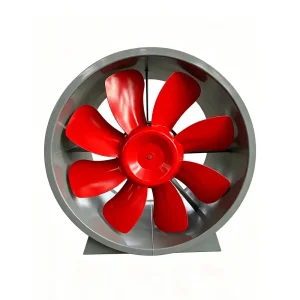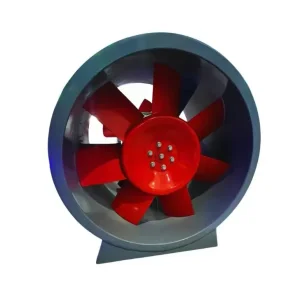
Explore our core certified units engineered for commercial complexes, industrial plants, and municipal subsurface reservoirs.
A rigorous examination of subterranean concrete containment dynamics, hydrologic attenuation, and zero-footprint resilience for global enterprises.
Across North America, the European Union, the Middle East, and Asia-Pacific, corporate sustainability mandates (ESG), water stewardship indices, and stringent municipal stormwater compliance (such as SUDS in the UK, NPDES Phase II in the USA, and Sponge City mandates across China) have fundamentally altered civil infrastructure planning. Modern heavy industry complexes, logistics hubs, mega data centers, and advanced manufacturing campuses cannot afford the footprint penalties associated with open detention basins or above-ground containment reservoirs. As land acquisition valuations rise, engineers must prioritize dual-functionality: freeing ground-level real estate for parking, truck aprons, logistics handling, or green space while simultaneously installing massive hydrologic detention, rainwater recycling, and high-volume fire suppression reservoirs.
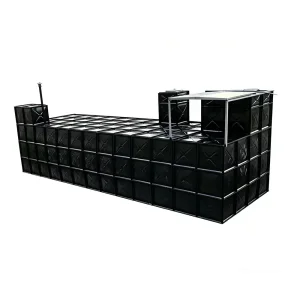
Custom underground concrete rainwater tanks represent the gold standard in subterranean civil engineering. Unlike rotational-molded high-density polyethylene (HDPE) or modular plastic crate systems that suffer from creep deformation, high point-load vulnerability, and vulnerability to catastrophic crushing under heavy axle loads, concrete containment delivers unyielding structural integrity. Reinforced precast and cast-in-place concrete water reservoirs easily achieve AASHTO HS-20, HS-25, and European EN 1991-2 traffic load ratings. This capability enables high-tonnage freight corridors, heavy logistics staging yards, and fire truck access routes to be established directly above multimillion-liter stormwater reserves without risk of deflection or catastrophic structural compromise.
A primary driver in modern EPC project economics is the convergence of rainwater detention and dedicated fire protection storage into a unified underground asset. Shandong Fengdun Environmental Technology Co., Ltd. pioneers integrated subsurface designs where custom buried fire water tanks and municipal-scale rainwater attenuation systems operate via shared hydrodynamic chambers. Under routine weather regimes, automated multi-stage vortex separators and mechanical self-cleaning coarse filtration skids divert early "first-flush" sediment loads away from the primary containment basin. Cured, high-density impervious concrete walls retain pure harvested rainwater for industrial cooling tower makeup, mixed-flow HVAC system supply, and landscape irrigation.
Simultaneously, an internal hydraulic baffled weir ensures that the statutory dedicated NFPA 22 / GB 50974 fire reserve volume remains permanently quarantined and protected from cross-depletion during daily operational utility cycles. This co-engineered design reduces civil excavation volumes by up to 35%, consolidates deep-foundation stabilization, and slashes total project capital expenditure (CAPEX) without sacrificing emergency responsiveness or process continuity.
Discover how factory-direct manufacturing synchronizes buried reservoirs, evaporative cooling towers, and fire protection fluidics.
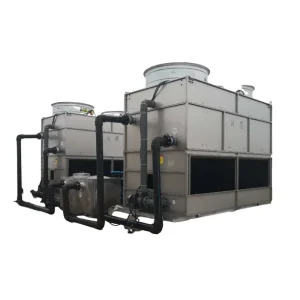
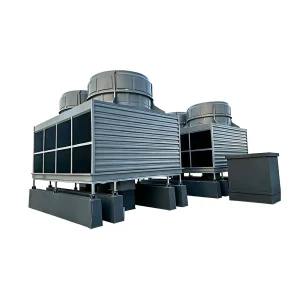
Harsh ambient heat loads require dependable cooling. By routing harvested, sediment-free rainwater from underground concrete cisterns through closed circuit cooling towers, thermal energy plants drastically lower city mains water consumption and prevent calcification scaling on internal heat coils.
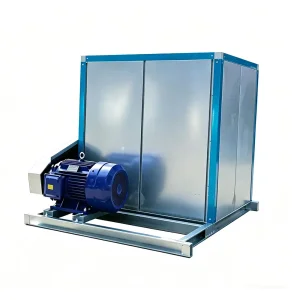
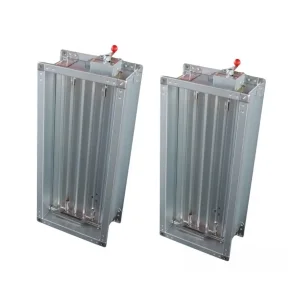
Our prefabricated buried reservoirs work in direct tandem with high-pressure fire booster pumps, high-temp fire smoke exhaust fans, and motorized 280°C fire dampers. A centralized subterranean reservoir ensures uninterrupted deluge flow even when seismic or grid failures compromise regional municipal mains.
Precision-cast interlocking modular panels eliminate traditional on-site formwork delays. Utilizing high-performance silica fume concrete, crystalline waterproofing admixtures, and high-tensile EPDM joint sealants, our systems provide rapid assembly and 50+ year maintenance-free design lifespans.
Bridging mechanical fluid containment with AI-driven telemetry, automated sediment management, and carbon-neutral curing.
Integration of low-power ultrasonic water-level arrays, dissolved oxygen probes, and real-time turbidity sensors embedded within tank access portals. Cloud-connected telemetry communicates directly with building management systems (BMS) for predictive drainage control before extreme weather occurrences.
Autonomous hydraulic scouring heads and robotic self-vacuuming sumps integrated into base slab geometries. By automating silt purge cycles during storm overflow events, manual tank entry risks and hazardous confined-space maintenance operations are entirely eradicated.
Transitioning tank structural walls to alkali-activated blast furnace slag (GGBS) and pozzolanic ash geopolymer formulations. This eliminates Portland cement clinker reliance, slashing embodied carbon by 65% while providing enhanced resistance to aggressive sulfate-rich soils and groundwater acidity.
From seismic zone assessments in Southeast Asia to freeze-thaw cycles in Central Europe, our engineering safeguards match the highest regulatory rigor.
Executing mission-critical water storage and industrial ventilation requires strict harmonization with regional codes. Shandong Fengdun Environmental Technology Co., Ltd. maintains a full suite of certifications and quality control protocols across its 12,000 m² state-of-the-art facility in Dezhou, Shandong. Our systems are verified under international testing frameworks including ISO 9001, CE directives, and national GB/T performance standards.
For cross-border EPC contracts, our dedicated engineering division conducts site-specific geotechnical finite element calculations. We factor in:
Clear, direct answers regarding tank selection, structural parameters, lifecycle durability, and factory-direct procurement.
Plastic crates and thin-wall polyethylene cisterns suffer from viscoelastic creep, reducing long-term load-bearing capacity and risking structural cave-ins under heavy vehicular loading (truck aprons, emergency fire routes). Concrete delivers authentic HS-20/HS-25 traffic bearing, offers native ballast weight preventing water table uplift, and delivers a proven 50- to 100-year design lifecycle.
Our structures utilize hydrophilic swelling rubber waterstops, continuous high-performance elastomeric polysulfide sealants, and factory-applied hydrophobic crystalline chemical barriers. When cast or assembled, these specialized barrier systems withstand hydrostatic head pressures exceeding 50 meters without micro-fissure leakage.
Yes. Shandong Fengdun specializes in turnkey fluidics and HVAC integration. Harvested rainwater stored in our subsurface concrete reservoirs is routed through continuous automated filtration to serve as high-grade makeup supply for open counterflow or closed cooling towers, significantly cutting city utility bills.
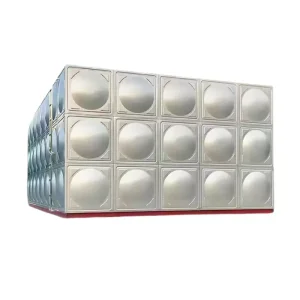
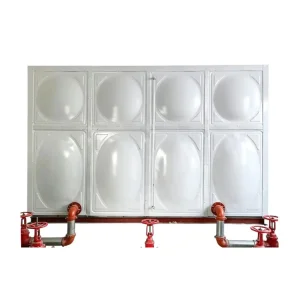
Yes. All ventilation fans, fire dampers, stainless steel and enamel tanks, cooling towers, and buried containment engineering assets are produced directly within our 12,000 m² heavy-manufacturing plant in Dezhou, Shandong, China. We supply overseas clients without intermediary markups.
Integrate our certified industrial catalog into your comprehensive mechanical, electrical, and plumbing (MEP) designs.