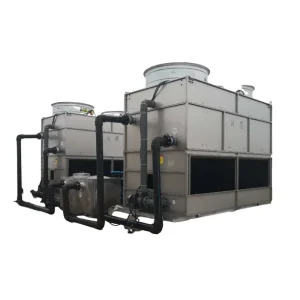
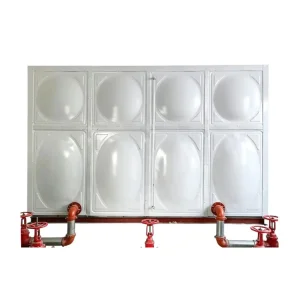
Explore our core engineering product line manufactured in Dezhou, Shandong. Tested against strict global mechanical tolerances and acoustic benchmarks.

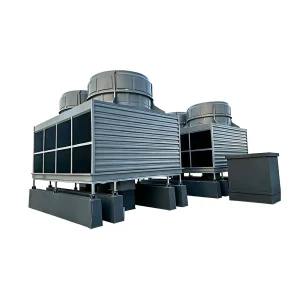
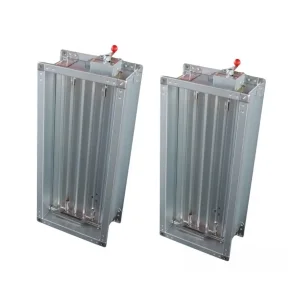
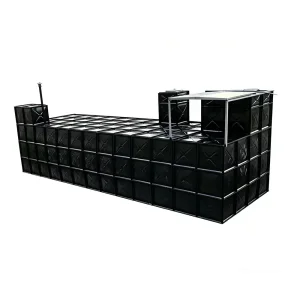
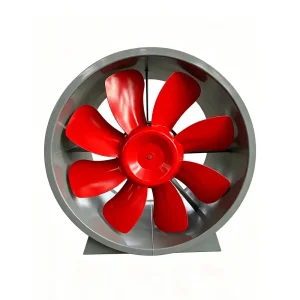
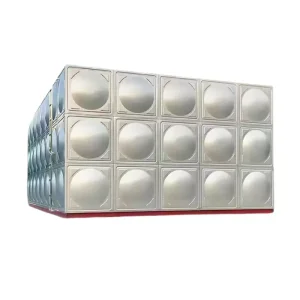
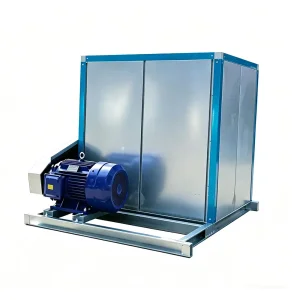
Strategic water security is moving from surface ponds to engineered underground harvesting tanks. Rapid urbanization and changing weather patterns demand long-term structural reliability below grade.
Industrial complexes, logistics hubs, and commercial centers need maximum ground coverage for parking, warehousing, and traffic lanes. Underground water harvesting tanks preserve 100% of surface area while handling stormwater detention and non-potable reuse reserves.
Exposing collected rainwater to UV sunlight triggers microbial growth, algae blooms, and high evaporation losses. Buried tanks offer complete light exclusion and geothermal insulation, keeping water cool and reducing sanitation chemical demand.
Global fire safety codes (NFPA 22, GB 50974) require dedicated, fail-safe water reserves. Engineering buried water tanks with partitioned chambers allows facilities to combine rainwater collection with static fire reserves without risking life safety compliance.
Choosing the right material determines project lifecycle costs, load capacity, and leak security under soil and groundwater pressures.
| Evaluation Parameter | SUS304/SUS316 Sectional Bolted Tank | Composite Enamel/Galvanized Steel | Cast-in-Place Concrete Sump | Subsurface Polypropylene Modular Crates |
|---|---|---|---|---|
| Hydraulic Tightness | 100% Welded/EPDM Gasketed Hermetic Seal | Factory Sintered Enamel Barrier | Prone to Settlement & Thermal Fractures | Relies Completely on Outer Geomembrane |
| Dead & Live Load Rating | Engineered Internal Tie-Rods (H-20 & HS-20) | High Yield Strength Plate Array | High Compressive Load Capacity | Subject to Soil Creep & Dynamic Shear |
| Installation Velocity | Rapid Modular Assembly (3-7 Days) | Bolt-Together Panels On-Site | Extended Curing Time (28+ Days) | Fast Assembly, Labor-Intensive Wrapping |
| Total Lifecycle Service | 40 - 50+ Years (Zero Soil Leaching) | 30 - 40 Years | 15 - 25 Years (Subject to Micro-Cracking) | 10 - 20 Years (Microplastic Degradation Risk) |
| Silt Cleanout & Inspection | Smooth Surface, Easy Silt Pump-Out | Smooth Vitrified Enamel Surface | Manual Sludge Cleaning Required | Difficult Internal Inspection & Jetting |
Underground water storage is evolving from passive holding sumps to smart, automated hydrologic control assets.
Modern harvesting setups integrate hydrostatic pressure transducers, pH meters, and turbidity sensors. Cloud-linked PLCs report tank capacity in real time, alerting facilities before storm events and automating diverter flushes.
Treating water before it reaches the tank extends storage life. Centrifugal hydrodynamic swirl separators, self-cleaning leaf screens, and first-flush diverters pull out heavy silts and organics before water enters storage.
By pulling real-time meteorological radar feeds, active discharge controls automatically dump non-critical reserves hours before a massive storm. This frees up retention volume to prevent localized flash flooding on industrial campuses.
Underground tank failures cause pavement collapse, groundwater contamination, and plant downtime. Our Dezhou production center builds each unit to strict, verifiable quality thresholds.
In high groundwater sites, empty tanks face significant hydrostatic uplift. Our structural team provides customized base tie-downs, ground screw anchors, and concrete ballast calculations to eliminate displacement risks.
Tanks placed beneath access roads, logistics zones, or yards must endure static lateral soil thrust and transient H-20/HS-20 dynamic wheel impacts. Internal bracing and corrugations transfer structural loads safely to the foundation slab.
Underground soils can be chemically aggressive. We build tanks from high-grade SUS304/SUS316 with complete pickling and passivation, or thick hot-dip galvanized and sintered enamel panels designed for acidic or coastal soils.
Every export order comes with full mill test certificates (MTC 3.1), weld radiographic testing reports, hydraulic leak test certificates, and step-by-step CAD installation layouts for quick on-site sign-off.
Technical guidance on tank configuration, soil mechanics, and manufacturing lead times from our senior engineering team.
High water table uplift is managed by calculating buoyant force against the tank's dry weight and soil overburden. We design heavy-gauge perimeter hold-down brackets bolted into a reinforced concrete foundation, utilize extended bottom flange profiles that anchor under backfill, and calculate required concrete ballast slab thicknesses to prevent flotation even when completely empty.
Yes, by using internal baffle dividers or vertical low-level interlock cutoffs. The lower section remains isolated as a dedicated static fire reserve compliant with NFPA 22 and GB 50974 standards, while upper water volumes fluctuate based on rainwater harvest and industrial process demand. Rainwater reuse pumps are locked out when levels reach the minimum fire reserve baseline.
Routine maintenance includes servicing the pre-filtration leaf and silt separators every six months, checking access manways, and clearing suction inlet strainers. The tank interior should undergo vacuum sludge removal every 3 to 5 years. Our smooth SUS304 and enamel tank floors feature sump drain depressions that funnel sediment to cleanout points for rapid extraction without manual sweeping.
For welded stainless steel systems, all panel seams undergo robotic or skilled TIG welding followed by liquid penetrant non-destructive testing (NDT) and hydro-testing. For sectional bolted enamel or hot-dip galvanized tanks, we install continuous age-resistant EPDM gasket cord ribbons and cover high-tensile fasteners with molded corrosion-resistant caps.
To design and quote an underground tank, our engineers need total required storage capacity (m³), burial depth, water table height, expected surface traffic loads (pedestrian, light car, or heavy H-20 axle loads), soil backfill properties, and project destination port for overseas export palletization.
Direct supply of cooling towers, smoke exhaust fans, ventilation components, and industrial tanks from Shandong Fengdun Environmental Technology Co., Ltd.